
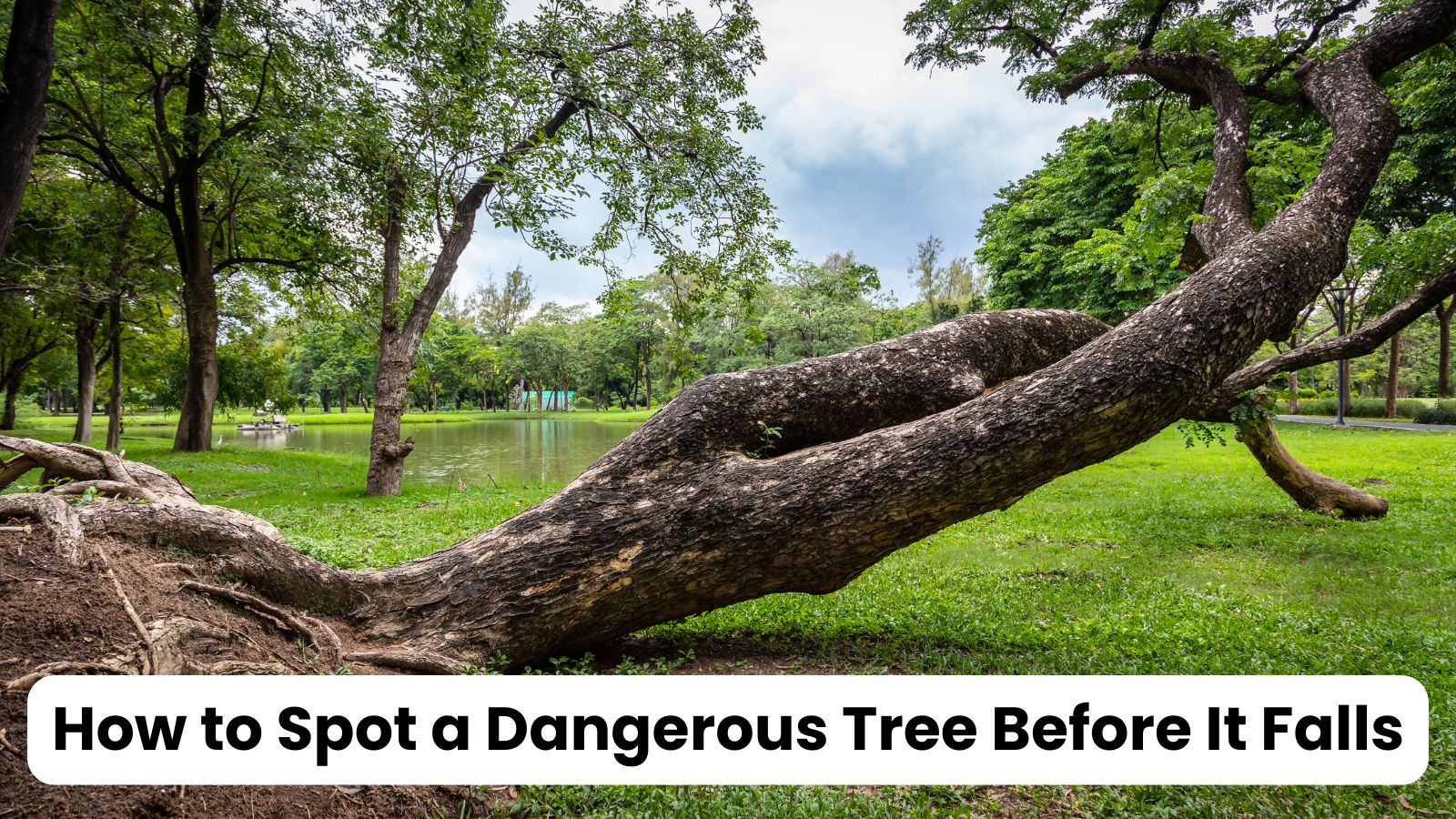
Trees provide shade, beauty, and value to your property, but when a tree becomes unstable or severely damaged, it can quickly turn into a serious safety hazard. Strong winds, storms, disease, and aging can weaken a tree’s structure, making it more likely to fall or drop large branches.
Recognizing the warning signs early can help prevent costly damage and protect your home and family. In some situations, professionally dangerous tree removal or storm damage tree removal may be necessary to eliminate the risk and restore safety to your landscape.
Below are some of the most common signs that a tree may be dangerous.
Large Dead or Hanging Branches
Dead branches are one of the most visible warning signs that a tree may be unsafe. Over time, these branches become dry and brittle, making them more likely to break during strong winds or storms. If large limbs hang over structures, driveways, or walkways, they can cause serious damage if they fall unexpectedly. Removing dead branches through professional tree trimming, tree pruning, or tree branch removal can reduce the risk, but if the damage is widespread, tree removal or hazardous tree removal may be the safest option. Regular tree inspections, arborist evaluations, and routine tree maintenance services help identify these issues early and prevent them from turning into major safety hazards.
A Leaning Tree
A tree that suddenly starts leaning is often a sign of root problems or structural instability. While some trees naturally grow at an angle, a noticeable change in position can indicate that the root system is weakening.
Heavy rain, strong winds, or soil erosion can loosen the roots and cause the tree to shift. If the ground around the base of the tree appears cracked or raised, it may mean the tree is at risk of falling.
Cracks or Splits in the Trunk
Deep cracks or splits in the trunk can significantly weaken a tree and make it unstable. These fractures reduce the tree’s ability to support its own weight and increase the risk of failure during strong winds or storms. Large cracks often appear vertically along the trunk or where major branches attach, creating structural weakness over time.
If these cracks worsen, the tree may split or break unexpectedly. Regular tree inspections and arborist assessments can help detect these problems early and determine whether tree trimming or dangerous tree removal is needed.
According to the National Park Service, a hazard tree is a tree with structural defects that increase the likelihood of failure, which can pose risks to nearby people or property.
Fungal Growth Around the Base
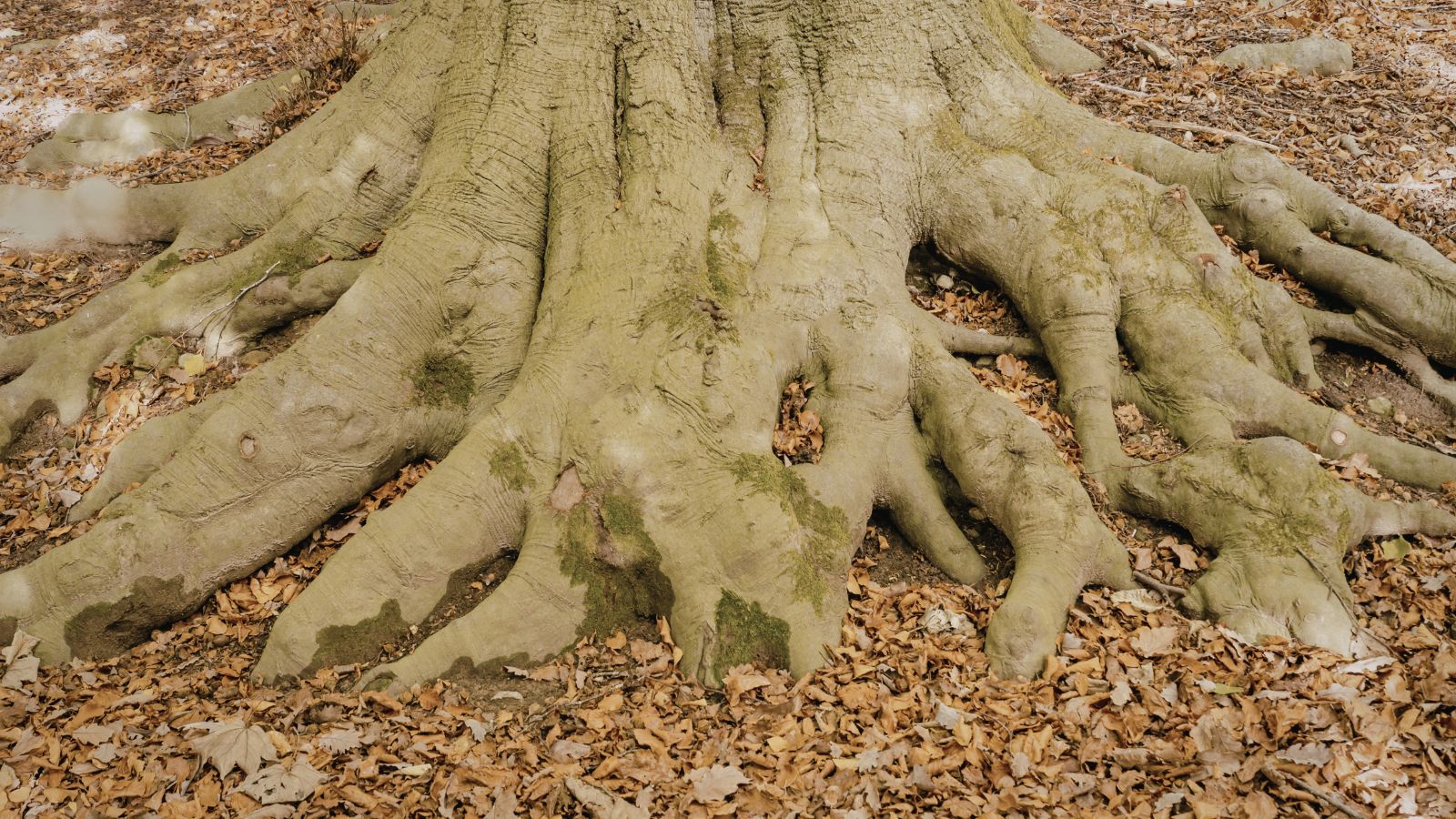
The appearance of mushrooms or fungal growth near the base of a tree may indicate internal decay. Fungi feed on decomposing wood, which means the tree could already be rotting from the inside.
Internal decay weakens the trunk and root system, making the tree unstable even if it still appears healthy from the outside.
Severe Storm Damage
Storms are one of the most common causes of tree damage. High winds, lightning, and heavy rain can break branches, split trunks, or uproot trees completely.
Even if a tree remains standing after a storm, hidden damage may make it unstable. Broken limbs, hanging branches, and partially uprooted trees should be addressed quickly.
In many situations, tree stump removal is the safest solution to prevent further damage and eliminate potential hazards.
A Tree That Is Dying
A tree that is rapidly declining can become dangerous over time. Signs of a dying tree include peeling bark, large sections of dead branches, lack of new growth, and sudden leaf loss during the growing season.
As trees die, the wood becomes brittle and weak. This makes them much more likely to break or collapse during strong winds or severe weather.
Removing a dying tree early can help prevent unexpected tree failure and protect nearby structures.
Why Professional Tree Removal Matters
Tree removal can be dangerous without the right experience and equipment. Large trees, damaged limbs, and unstable trunks create serious risks for property owners attempting to handle the problem on their own.
Professional tree care specialists have the knowledge, tools, and safety procedures needed to remove hazardous trees safely.
Conclusion
If your tree is showing any of these warning signs, taking action early can make a big difference. What may seem like a small issue, such as a dead branch, a slight lean, or early signs of decay, can quickly turn into a serious safety risk, especially during strong winds and severe weather.
Tree Amigos Tree Service is committed to helping homeowners maintain safe, healthy landscapes through reliable, professional tree care. Our experienced team provides thorough inspections, precise trimming, and safe, non-damaging tree removal using proven techniques and industry best practices. After carefully evaluating each tree, we offer honest recommendations that focus on safety, tree health, and long-term protection for your property.