
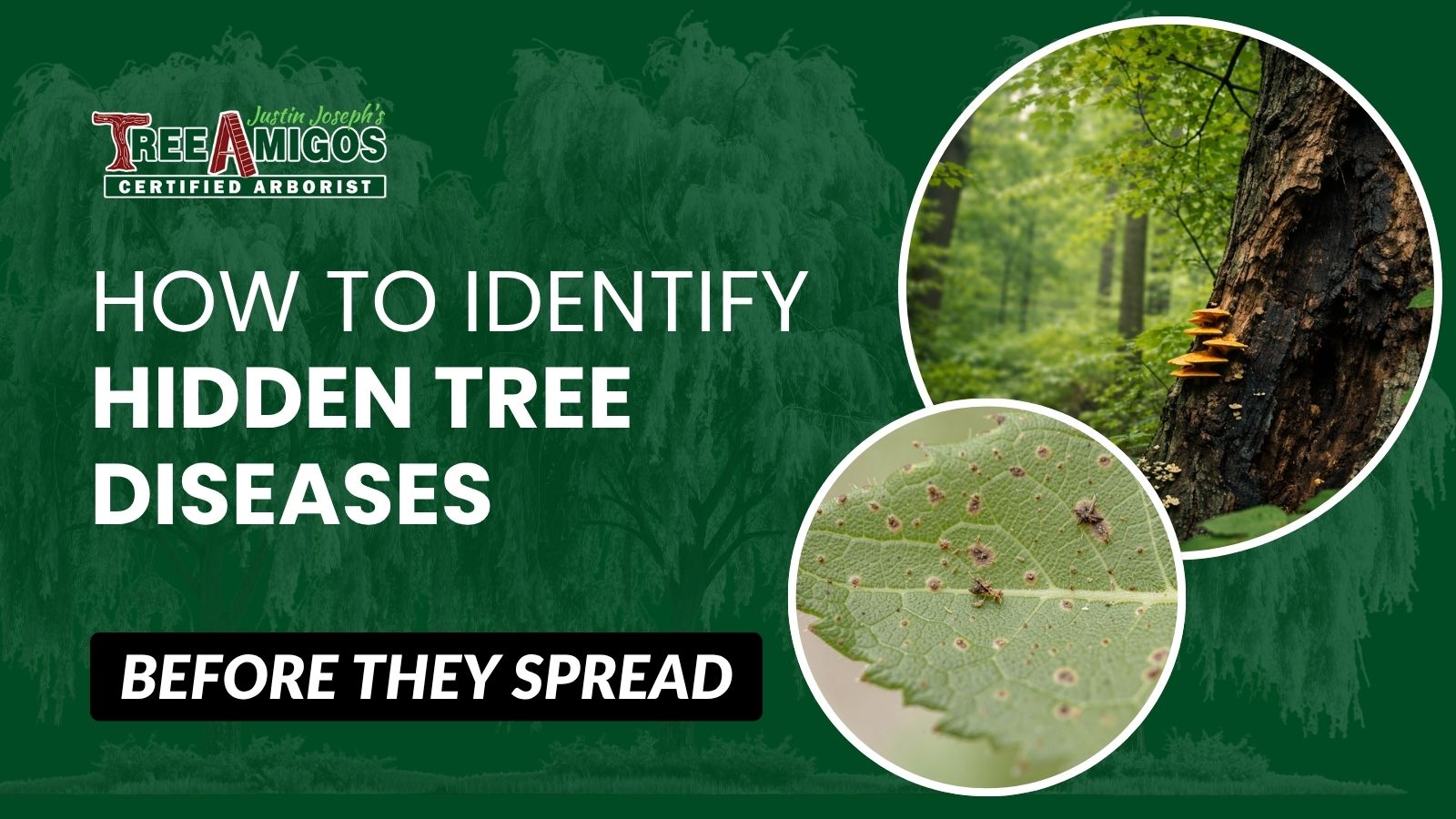
Trees make our yards look beautiful, give us shade on hot days, and help keep the air clean. But sometimes, even healthy-looking trees can be hiding serious problems you might not notice. Disease, decay, or root issues can quietly hurt a tree before you even see the signs.
Spotting tree problems early can save your trees, prevent damage to your property, and save you money on repairs or removal. In this guide, we’ll show you the most common hidden tree disease signs, how to spot early problems like internal decay or root rot, and what you can do to keep your trees healthy and strong. Learning to catch these issues early means you can act before the disease spreads and causes bigger problems.
Early Signs of Tree Disease
Even if a tree looks fine from the outside, there may be signs that something’s wrong. Look out for these common early warning signs:
- Leaves changing color or dropping early – Yellowing, spots, or losing leaves out of season could mean disease.
- Wilting or dying branches – Branches that droop, dry up, or break easily may be infected.
- Bark problems – Cracks, holes, or sap leaking can show internal damage.
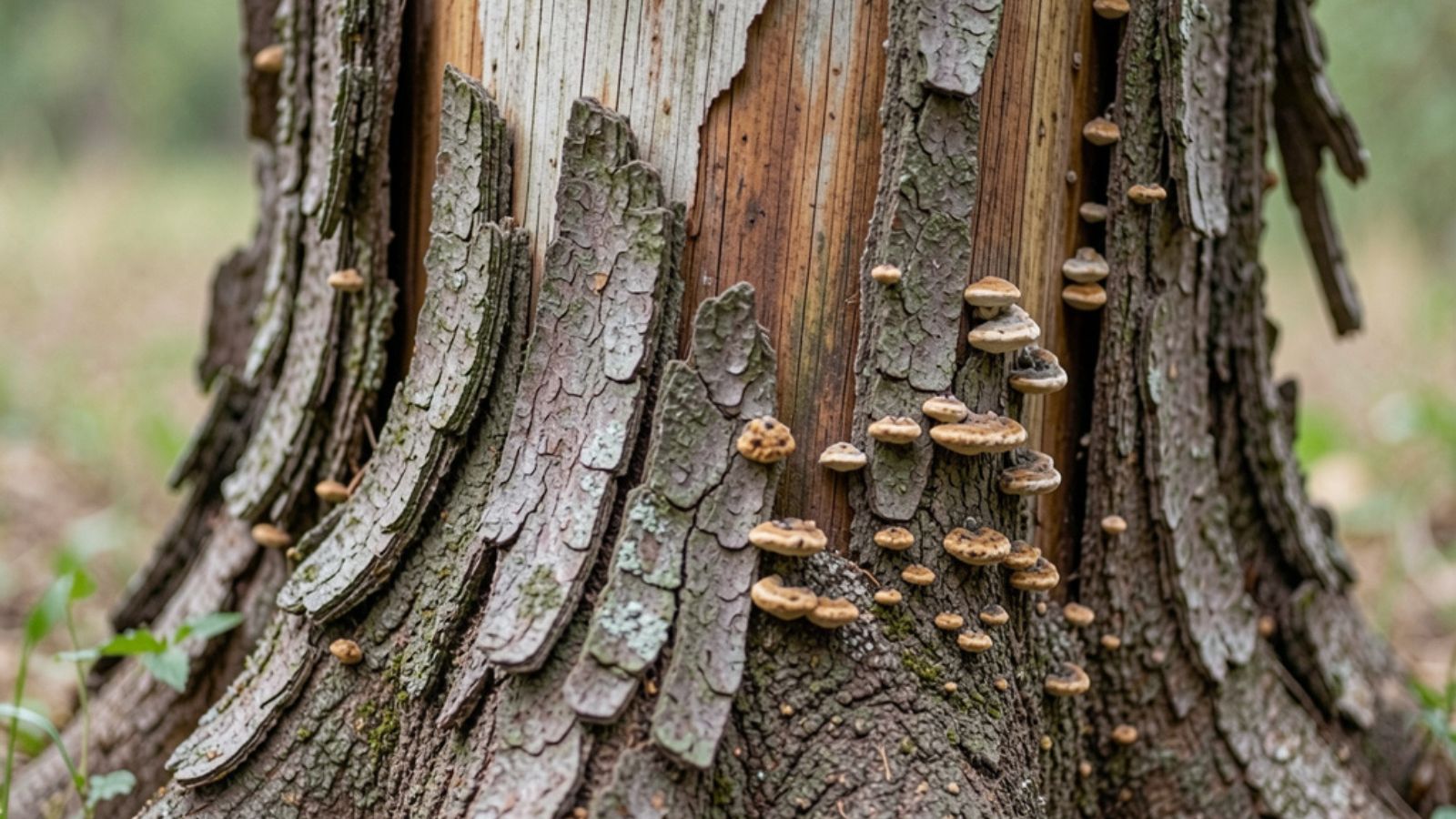
- Fungi or mushrooms at the base – These often mean the tree is decaying from the inside.
You can also read about storm-damaged trees and how to take care of them.
How to Tell If a Tree Is Dying
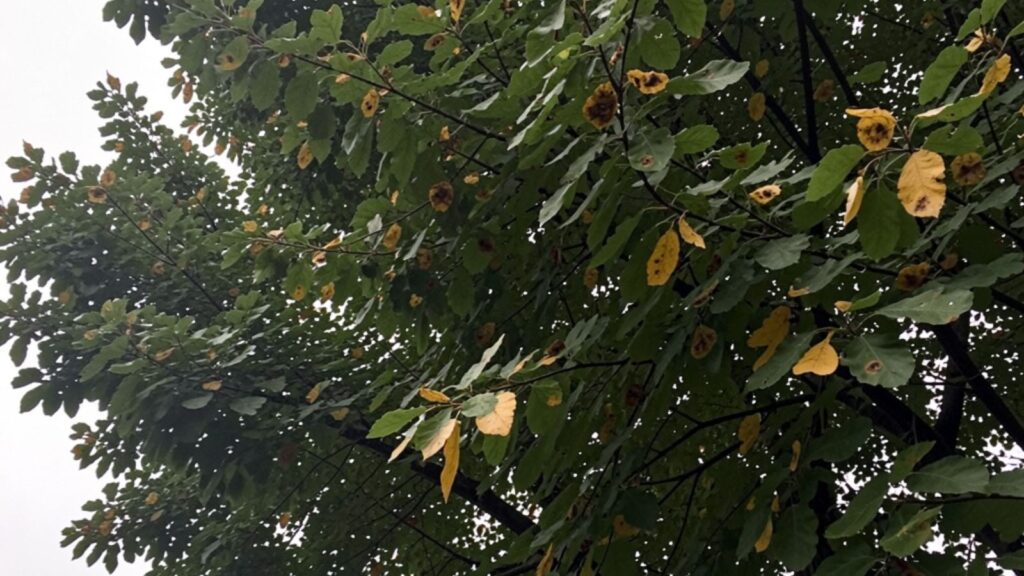
Sometimes a tree can look healthy, but it’s slowly dying inside. Here’s how you can tell:
- Dead or brittle branches – If branches snap easily, it may be a sign of decay.
- Sparse or small leaves – A thin canopy or unusually small leaves can be a red flag.
- Lots of leaves falling – If leaves drop outside of the normal season, pay attention.
- Root or soil issues – Exposed roots, soggy soil, or root rot can signal serious problems.
Hidden Tree Disease Signs You Might Be Missing
Some problems aren’t immediately apparent. These hidden signs require a closer look:
- Hollow or soft spots in the trunk – These can weaken the tree and hide decay.
- Bark discoloration or streaks – Dark streaks under the bark are often signs of disease.
- Odd growth patterns – Curling leaves, stunted branches, or strange shapes can be a clue.
- Pests – Insects can carry disease, even if you can’t see damage at first.
Internal Tree Decay Signs
Internal decay is tricky because it can happen without showing obvious symptoms outside. Watch for:
- Soft or spongy wood – Gently press the trunk to feel for weak spots.
- Fungi growing on the tree – Mushrooms or other growths usually mean decay inside.
- Strange smells – A musty or sour smell can indicate rotting wood.
You should also understand the difference between tree pruning and tree trimming, as it helps you spot early warning signs, prevent damage, and protect your tree before the problem becomes serious.
Root Rot Symptoms
Roots are a tree’s lifeline. Root rot happens when roots get damaged, usually from too much water, poor drainage, or fungal infection. Symptoms include:
- Soft, dark, or mushy roots – Healthy roots should be firm and light-colored.
- Wilting leaves even after watering – The roots can’t take up water properly.
- Branches dying from the top down – Often a sign of root failure.
- Fungi near the base – Mushrooms or fungal mats are a warning.
What to Do If You Suspect a Hidden Tree Disease
- Check your trees regularly – Look at leaves, branches, trunk, and roots.
- Take notes or photos – Document anything unusual so you can track it over time.
- Call a certified arborist – Professionals can find hidden problems and suggest the right fix.
- Treat early – Pruning, soil treatments, or fungicides can stop the spread.
- Remove the tree if necessary – Sometimes it’s safer to remove a tree than risk damage.
Quick action can save your tree—or keep your yard safe from a falling branch.
Conclusion
Understanding the early signs of hidden tree diseases allows you to take action before minor problems become major issues. While some trees may look healthy on the outside, inspecting leaves, branches, trunks, and roots helps you catch disease before it spreads and threatens your tree’s health.
Regular monitoring, early treatment, and knowing when to call a professional are essential steps to keeping your trees strong, safe, and thriving year after year.
If you’re unsure whether your trees may be hiding disease, the experts at Tree Amigos Tree Service are here to help. Our experienced team provides thorough inspections, reliable diagnoses, and professional tree care designed to protect your trees and your property.