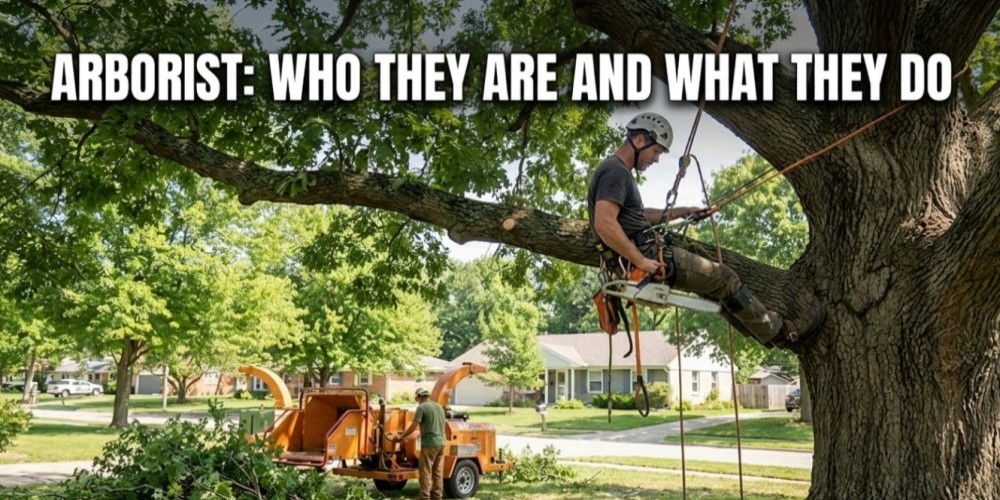
A certified arborist is more than a tree worker; they are a trained and credentialed professional specializing in the science of Arboriculture, the practice of cultivating, managing, diagnosing, and maintaining trees. When property owners search for “tree experts near me”, they expect qualified professionals who understand how to protect trees, landscapes, and public safety. As professional stewards of urban and rural forests, arborists play a critical role in tree preservation, removal, risk assessment, and emergency storm response.
Many homeowners refer to arborists as tree doctors, tree surgeons, or a tree specialist, because these experts evaluate and correct problems within tree structures, root systems, and overall health. Through education, field experience, and voluntary certification by international bodies such as the International Society of Arboriculture (ISA), these specialists ensure that trees remain structurally stable, disease-free, and safe.
Understanding Arboriculture and Professional Tree Science
Arboriculture is a specialized branch of horticulture focused on the study of trees and woody plants. Unlike forestry, which manages forests on a large scale, arboriculture focuses on individual tree health. This makes arborists indispensable for the care of trees in residential, commercial, and municipal settings.
A professional tree service staffed with certified arborists can deliver:
- Proper pruning based on tree physiology
- Safe removals without damage to structures
- Diagnosis and treatment of diseases or pests
- Structural bracing and cabling
- Soil care and fertilization
- Long-term tree risk management
Arborists apply both science and fieldcraft, making informed decisions that protect trees, lawns, structures, and human safety.
Comprehensive Tree Management Services
Many property owners ask, What does an arborist do? The scope of their work is extensive and highly technical. Arborists provide a wide range of services that address every stage of a tree’s lifespan, from planting to removal.
Tree Health Diagnosis
Arborists act as tree doctors, diagnosing fungal diseases, boring insects, nutrient deficiencies, and root problems. They prescribe treatment plans to restore tree health.
Professional Pruning and Trimming
Improper pruning can permanently damage a tree. Certified arborists prune based on growth phase, branch habit, and structural balance to support long-term stability.
Tree Removal and Hazard Mitigation
A failing tree can threaten homes and lives. Arborists assess structural risk and remove hazardous trees safely using advanced rigging and climbing techniques.
Soil and Root Care
Emergency Storm Services
After storms, lightning, or high winds, arborists handle hazardous limb removal and stabilization.
Pest and Disease Management
Whether it’s oak wilt, emerald ash borer, scale insects, or fungal rot, arborists deliver targeted control strategies.
Preservation and Risk Assessment Reports
For insurance, construction, permitting, and legal disputes, consulting arborists provide documented tree evaluations.
Tree Planting and Long-Term Planning
Arborists recommend species selections, planting sites, spacing, and maintenance to ensure decades of healthy growth. , because every decision affects structural integrity, longevity, and safety.
This comprehensive approach is why people call arborists The Tree Surgeon, because every decision affects structural integrity, longevity, and safety.
Why Hire a Certified Arborist Instead of a Landscaper
Landscapers are skilled in grounds maintenance, but they are not tree diagnosticians. A certified arborist undergoes specialized training. Their certification ensures:
- Proof of hours worked in tree care
- Successful completion of exams
- Continuing education requirements
- Adherence to the ISA Code of Ethics
Certified arborists ensure safety through precise cuts, proper gear, climbing systems, rigging, and ANSI Z133 safety standards.
The Essential Types of Arborists and What They Specialize In
To meet diverse industry needs, arborists specialize in different branches of tree care. Understanding these roles helps clients choose the right expert.
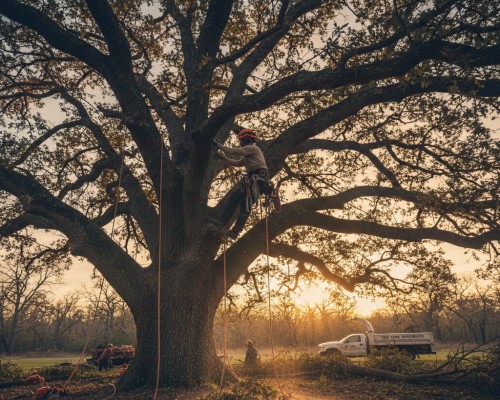
Climbing Arborist
Climbing arborists scale trees using ropes, saddles, and harnesses to perform:
- Canopy pruning
- Hazard limb removal
- Crown thinning
- Deadwood removal
- Aerial rescue
These professionals master complex rigging techniques to handle limbs suspended over structures.
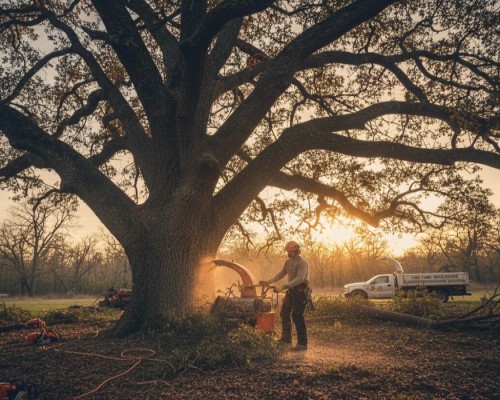
Ground Arborist
Ground arborists support climbing teams by:
- Controlling lowering ropes
- Chipping debris
- Managing rigging systems
- Operating chainsaws and equipment
- Ensuring job-site safety
They form the backbone of every tree care operation.
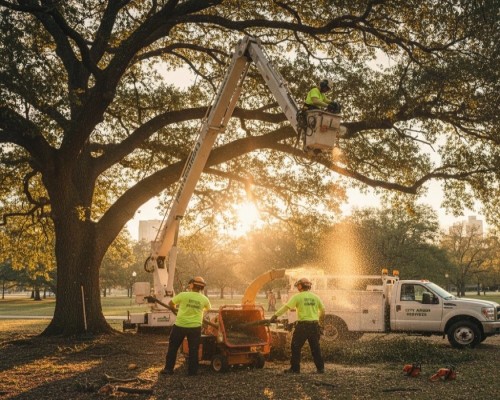
Commercial or Municipal Arborist
Municipal arborists manage:
- Public parks
- Street trees
- Trail systems
- Urban canopy health
- Hazard risk for public safety
They coordinate large-scale tree inventories and ensure compliance with city regulations.
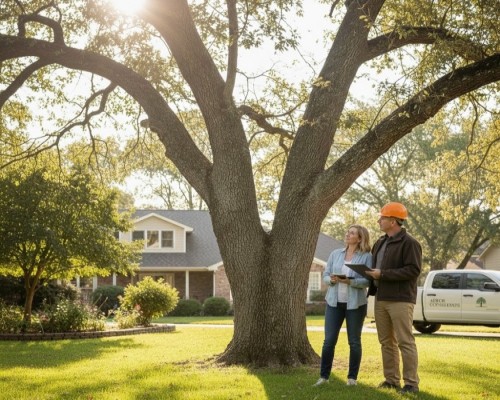
Consulting Arborist
A consulting arborist provides non-climbing advisory services such as:
- Risk assessments
- Tree appraisals
- Expert witness testimony
- Construction impact evaluations
They guide developers, utility companies, insurers, and homeowners with scientific documentation.
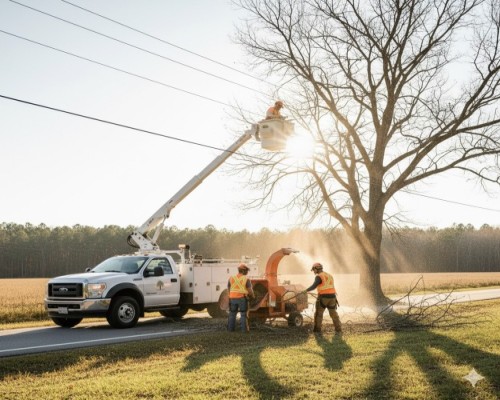
Utility Arborist
Utility arborists protect electrical infrastructure by:
- Clearing vegetation from power lines
- Preventing outages caused by limb contact
- Coordinating large-scale trimming programs
They ensure regulatory compliance and public safety.
Each specialization plays a strategic role in preserving tree safety across different environments.
Arborists as Tree Protection and Safety Authorities
Arborists also safeguard ecosystems. Their decisions influence:
- Wildlife habitat preservation: Mature trees provide shelter, nesting sites, and food sources for birds, insects, and small mammals. Arborists protect these habitats by preserving healthy trees and managing growth without disrupting local biodiversity.
- Air quality improvement: Trees act as natural air filters by absorbing pollutants and producing oxygen. Arborists maintain tree health to maximize canopy efficiency, helping improve air quality in urban and residential environments.
- Stormwater management: Healthy tree root systems absorb rainfall and reduce surface runoff. Arborists support stormwater control by maintaining trees that stabilize soil, minimize erosion, and improve groundwater absorption.
- Heat-island reduction: Tree canopies lower surface and air temperatures by providing shade and releasing moisture through transpiration. Arborists help mitigate urban heat islands by preserving mature trees and encouraging strategic canopy growth.
By safeguarding mature trees, arborists protect environmental resilience.
They also act as safety authorities. Falling limbs are a leading cause of landscape-related injuries and property claims. Arborists identify structural defects such as:
- Cracks and splits: Beyond environmental care, arborists serve as frontline safety professionals. They assess tree stability to reduce risks associated with falling limbs and structural failures that can cause injury or property damage.
- Decay pockets: Internal decay weakens trees from the inside, often without visible signs. Arborists use specialized tools and expertise to detect decay and mitigate potential hazards.
- Weak branch unions: Poorly attached branches are prone to splitting under stress. Arborists evaluate branch unions and apply pruning or cabling solutions to improve structural strength.
- Root plate instability: Unstable root systems compromise a tree’s ability to remain upright. Arborists assess root health and soil conditions to reduce the risk of uprooting, especially during storms.
- Soil heaving: Raised or shifting soil can indicate root movement or instability. Arborists recognize these warning signs and address underlying issues before structural failure occurs.
Through evaluation and mitigation, arborists prevent catastrophic failures.
Choosing the Right Professional Tree Service
When selecting a professional tree service, property owners should verify:
- ISA certification
- Insurance and liability coverage
- Safety training
- Written estimates
- Industry-grade climbing and rigging equipment
- Transparent work scope
Cheap, uncertified tree workers often damage lawns, generate poor cuts, and create long-term hazards.
A reputable arborist protects:
- Property
- Aesthetics
- Home value
- Environmental sustainability
The Value of Local Tree Experts Near Me
Searching for tree experts near me ensures fast response times, local knowledge of trees, and familiarity with pests and climate-related challenges. Local arborists understand:
- Regional soil conditions
- Drought stress
- Native tree biology
- Local construction codes
They become long-term partners in tree health.
Conclusion: Trust Qualified Arborists for Expert Tree Care
Effective tree care extends beyond trimming branches; it promotes safety, enhances landscapes, and preserves the long-term value of a property. Arborists apply scientific knowledge, technical skill, and hazard awareness to help trees resist disease, withstand storms, and grow with structural stability. From accurate diagnosis to strategic pruning and preventative care, these experts ensure trees continue to thrive rather than decline.
Relying on certified professionals like Tree Amigo Tree Service, known for prioritizing safety, research-based practices, and long-term health planning, allows homeowners to feel assured that their trees are cared for with precision and respect.