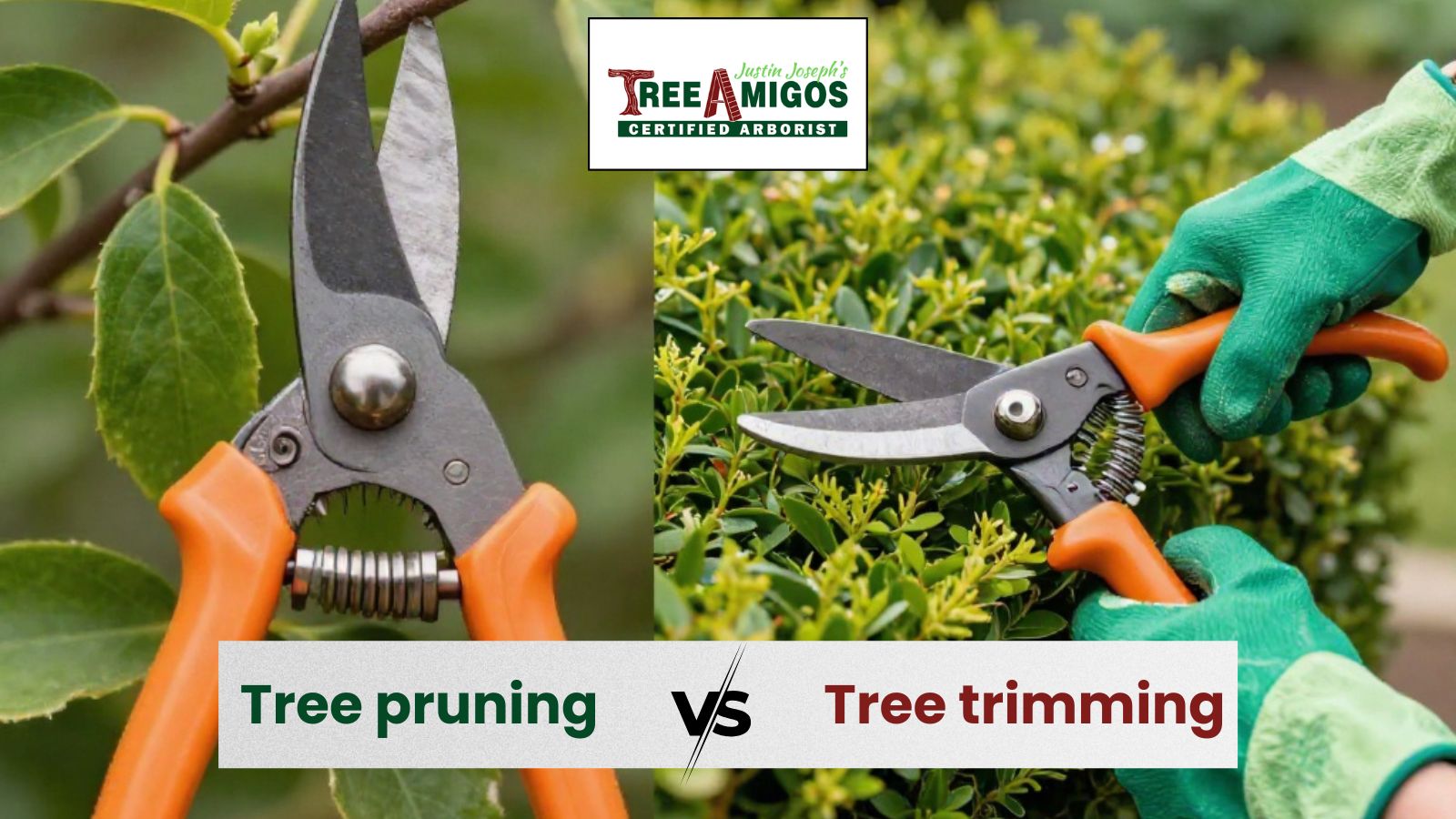
When it comes to professional tree service, many homeowners use the terms tree trimming and tree pruning interchangeably. While both involve cutting branches, they serve very different purposes.
Understanding the difference helps you protect your investment, improve curb appeal, and maintain healthy, structurally sound trees. If you’re considering a professional tree trimming service or pruning appointment, here’s what you need to know.
What Is Tree Trimming?
Tree trimming focuses primarily on appearance, size control, and routine maintenance.
A professional tree trimming service removes excess growth to shape the tree, maintain symmetry, and prevent branches from interfering with roofs, driveways, sidewalks, or power lines. Trimming enhances curb appeal while keeping trees neat and manageable.
Tree trimming is ideal when:
- Branches are overgrown or hanging too low
- Limbs are touching your roof or siding
- Trees block visibility near driveways
- You want to improve the overall appearance of your landscape
- You need seasonal maintenance
In fast-growing areas like South Texas, routine tree trimming helps trees withstand strong winds and storms while maintaining a polished appearance. Regular trimming also allows more sunlight and airflow through the canopy, benefiting both your lawn and surrounding plants.
Think of trimming as a haircut for your trees — it keeps them tidy without dramatically changing their internal structure.
What Is Tree Pruning?
Tree pruning is more strategic and health-focused. Instead of shaping the tree for appearance, pruning removes dead, diseased, damaged, or structurally weak branches to improve long-term health.
Professional pruning is a critical part of comprehensive tree service, especially for mature trees or trees affected by storms, pests, or disease.
Tree pruning helps:
- Prevent the spread of disease
- Remove dead or hazardous limbs
- Improve tree structure
- Reduce the risk of falling branches
- Encourage strong, healthy growth
Unlike trimming, pruning requires a deeper understanding of tree biology. Proper cuts must be made in the right location and at the right time to avoid stressing the tree.
Pruning is often done during dormant seasons when trees can heal more efficiently, though damaged or hazardous branches can be removed at any time for safety reasons.
Tree Trimming vs Tree Pruning — Key Differences
Although both are important tree services, their goals differ significantly.
| Feature | Tree Trimming | Tree Pruning |
|---|---|---|
| Primary Goal | Appearance & size control | Health & structural improvement |
| Focus | Shaping and maintenance | Removing dead/diseased limbs |
| Frequency | 1–2 times per year | As needed or seasonally |
| Impact on Health | Moderate | Significant |
Both services complement each other. A tree that’s regularly trimmed but never pruned may look good, but it will develop internal weaknesses, sometimes leading to the need for professional tree removal services if issues worsen. Likewise, a pruned tree that’s never trimmed can grow unevenly or interfere with structures.
Which Tree Service Do You Need?
The right choice depends on your tree’s condition and your goals.
Choose Tree Trimming Service If:
- Your tree looks overgrown.
- Branches are interfering with your home or driveway.
- You want improved curb appeal.
- You need routine landscape maintenance.
Choose Tree Pruning If:
- You notice dead or diseased limbs
- A recent storm caused damage
- Branches are crossing or rubbing
- You want to improve long-term tree strength
In many cases, homeowners benefit from combining trimming and pruning as part of a scheduled tree service maintenance plan. A professional evaluation can determine exactly what your trees need.
Why Professional Tree Service Matters
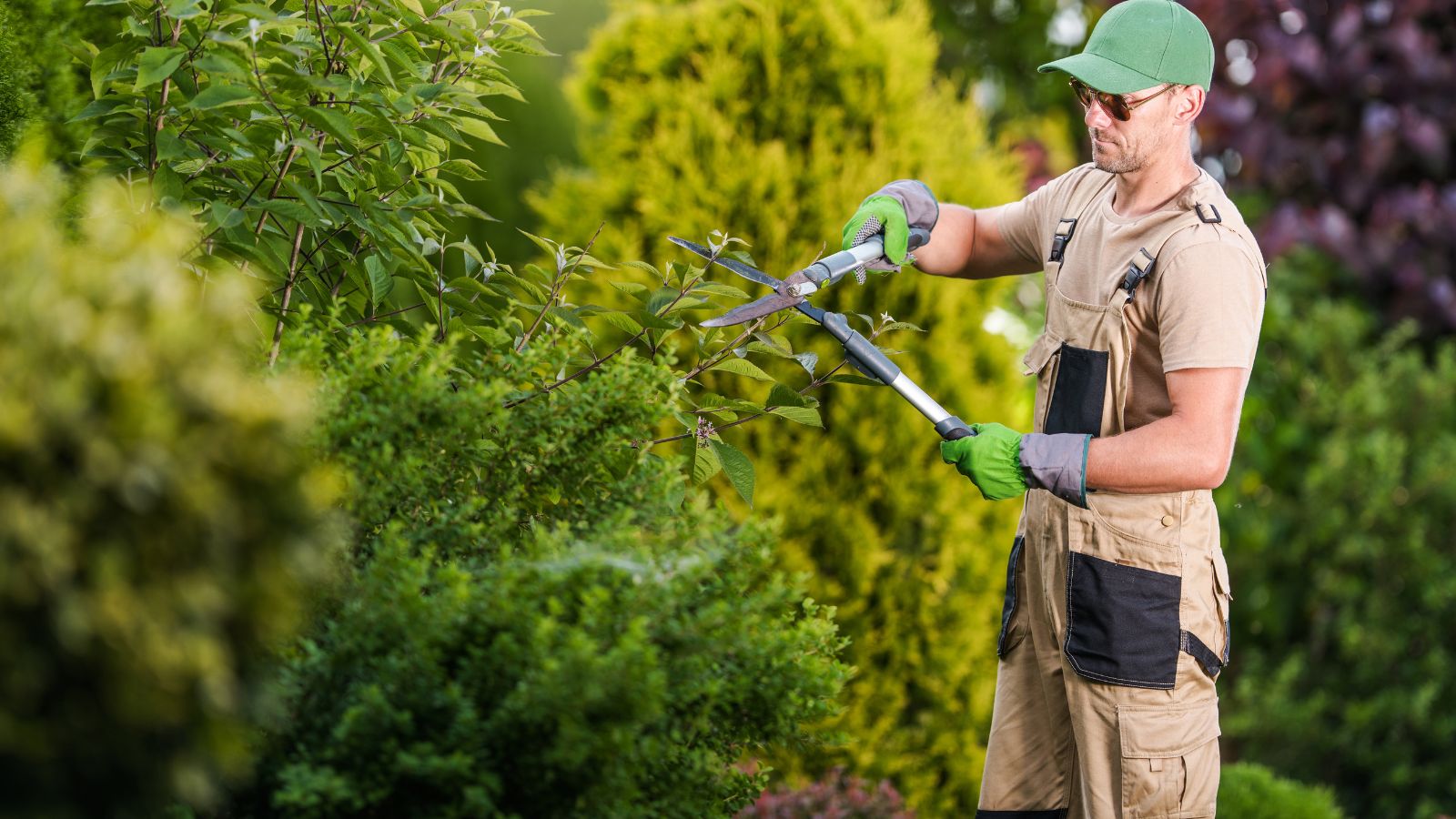
Improper cutting techniques can permanently damage a tree. Over-trimming may stress the tree, while incorrect pruning cuts can invite disease or decay.
Hiring a professional tree trimming service ensures:
- Safe removal of large or hazardous limbs
- Proper cutting techniques that protect tree health
- Correct timing based on tree species
- Reduced risk of property damage or injury
- Long-term growth support
Experienced tree service professionals understand how local climate conditions impact tree growth and maintenance needs. In South Texas, where strong winds and summer heat are common, proper trimming and pruning play a vital role in preventing storm-related damage.
Attempting DIY tree work can be dangerous, especially when working with tall trees, heavy branches, or equipment like chainsaws. Professional tree service providers have the tools, training, and safety protocols necessary to handle these tasks efficiently.
The Benefits of Routine Tree Care
Regular tree trimming and pruning provide more than just visual appeal. Ongoing tree service maintenance helps:
- Increase property value
- Improve landscape aesthetics
- Reduce storm damage risk
- Extend the life of your trees
- Prevent costly emergency removals
Trees are long-term investments. Proactive care is always more affordable than emergency repairs after neglect.
Conclusion
Understanding the difference between tree trimming and tree pruning allows you to make informed decisions about your landscape. While a professional tree trimming service enhances appearance and controls growth, proper pruning protects your tree’s health, structure, and safety.
Both services are essential parts of a complete tree service plan, and knowing when to use each ensures your trees remain strong, beautiful, and resilient year after year.
If you’re unsure whether your trees need trimming, pruning, or both, the experts at Tree Amigos Tree Service are here to help. Our experienced team provides reliable, professional tree service designed to keep your property safe and your trees thriving.